An HVAC system is a cornerstone of comfort in any home or commercial property, regulating temperature, humidity, and overall indoor air quality. While most property owners focus on routine maintenance, such as filter replacement or annual servicing, one critical aspect of HVAC upkeep often goes overlooked: the cleanliness of air ducts. Over time, dust, debris, allergens, and microbial contaminants accumulate within ductwork, reducing efficiency and potentially compromising the health of occupants. Recognizing the signs that your HVAC system needs immediate air duct cleaning is essential for maintaining performance, ensuring a safe indoor environment, and preventing costly repairs.
Air ducts function as the circulatory system of an HVAC unit, distributing conditioned air throughout a building. However, these pathways also serve as reservoirs for dust, dirt, pet dander, pollen, and other airborne particles. Even with routine filter replacement, airborne contaminants can bypass filters and adhere to duct surfaces. When left unaddressed, this accumulation can restrict airflow, reduce system efficiency, and lead to visible and invisible issues within your property. Regular inspection and Air Duct Cleaning Salt Lake City of air ducts are essential, but the most pressing need arises when specific warning signs indicate contamination has reached a level that requires immediate attention.
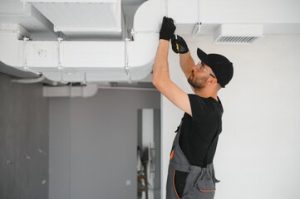
One of the most obvious indicators of duct system contamination is the presence of excessive dust and debris around supply registers and vents. If you notice visible dust accumulation on vent covers or that surfaces near vents quickly become coated despite regular cleaning, it is a strong signal that the HVAC system itself is circulating debris. This can happen due to poorly sealed ducts, filter bypass, or years of neglected maintenance. When dust accumulation becomes this pronounced, it not only affects air quality but also can deposit on furniture, electronics, and flooring, creating additional cleaning burdens for homeowners or facility managers.
Another critical sign that air duct cleaning is needed is noticeable mold or microbial growth within the system. Mold thrives in moist, dark environments, and HVAC ducts can provide ideal conditions, particularly if there has been a history of leaks, condensation issues, or high humidity. Mold within the ductwork can spread spores throughout the home or building each time the HVAC system operates. This presents significant health risks, particularly for individuals with allergies, asthma, or weakened immune systems. If you detect musty or unusual odors coming from vents, or if occupants report increased respiratory irritation, immediate professional air duct cleaning is highly recommended to prevent further exposure and contamination.
Persistent or unusual odors originating from HVAC vents are another warning sign. Over time, trapped dust, debris, microbial growth, and even residues from cooking, smoking, or pets can accumulate within ductwork. While filters may help capture some of these particles, they cannot remove odors or trapped contaminants that cling to duct surfaces. A foul or stale smell whenever the system runs suggests that the ducts are carrying pollutants into living or working spaces, and thorough cleaning is necessary to restore fresh, breathable air.
Allergen buildup is another major concern signaling the need for air duct cleaning. Seasonal allergens such as pollen and dust mites often accumulate inside ducts, intensifying allergy symptoms for residents. Sneezing, watery eyes, coughing, or nasal congestion that occur consistently when the HVAC system is running may indicate that airborne allergens are circulating due to dirty ducts. This is particularly problematic in environments where children, elderly individuals, or people with pre-existing respiratory conditions are present. Professional air duct cleaning removes trapped allergens and reduces exposure, improving indoor air quality and occupant comfort.
In addition to health concerns, a drop in HVAC system efficiency can indicate that air ducts require cleaning. Accumulated dust and debris restrict airflow, forcing the system to work harder to maintain desired temperatures. Signs of this include uneven heating or cooling, rooms that are consistently too hot or too cold, and increased energy bills. Over time, this strain can lead to mechanical wear, higher utility costs, and potential component failure. Addressing the underlying duct contamination restores optimal airflow, allowing the system to operate efficiently while protecting long-term equipment performance.
Another key sign involves increased dust settling on household surfaces. Even with regular cleaning, if dust accumulates more quickly than usual, it may be coming from inside the HVAC system. Dust expelled from the ducts not only affects cleanliness but can exacerbate allergies and contribute to respiratory issues. Air duct cleaning removes the source of this dust, reducing the frequency of cleaning and promoting a healthier indoor environment.
Noise from the HVAC system can also indicate that air ducts need attention. Excessive rattling, whistling, or unusual airflow sounds can be caused by obstructions or debris lodged within the ducts. Loose particles can impede air movement and generate vibrations, potentially leading to system strain or damage over time. Professional duct cleaning not only removes these obstructions but can also improve airflow, reduce operational noise, and enhance overall system performance.
It is also important to recognize that water damage or high humidity in ductwork can exacerbate contamination. Leaks, condensation, or standing moisture create ideal conditions for mold and bacterial growth. If your property has experienced water intrusion, high humidity, or plumbing issues, air duct cleaning becomes a preventative necessity. Addressing moisture-related contamination early protects indoor air quality, prevents structural damage, and reduces the risk of costly mold remediation later on.
Professional air duct cleaning typically involves a comprehensive approach. The process begins with a visual inspection to assess contamination levels and identify problem areas. Advanced tools such as high-powered vacuums, rotating brushes, and compressed air equipment are then used to remove debris and dust from the ductwork. HEPA filtration ensures that even microscopic particles are captured during the cleaning process. In cases of mold or microbial contamination, specialized antimicrobial treatments are applied to neutralize pathogens and prevent future growth. This thorough approach addresses both visible and hidden contaminants, restoring cleaner, safer air circulation throughout the property.
Property owners can also benefit from an enumerated checklist of signs indicating that immediate air duct cleaning is necessary:
- Visible Dust Around Vents and Registers – Excess accumulation that persists despite routine cleaning.
- Mold or Microbial Growth – Musty odors or visible spots inside vents or ductwork.
- Persistent Odors – Unpleasant smells that arise when the HVAC system is running.
- Increased Allergic Reactions – Sneezing, coughing, or nasal congestion triggered by airflow.
- Reduced System Efficiency – Uneven temperatures, reduced airflow, or higher energy bills.
- Excess Dust on Household Surfaces – Rapid accumulation despite cleaning efforts.
- Unusual HVAC Noises – Rattling, whistling, or airflow disruptions caused by debris.
- Recent Water Intrusion or High Humidity – Moisture in ductwork increases contamination risk.
Recognizing these warning signs early allows property owners to take proactive steps to restore indoor air quality and protect HVAC system performance.
Post-cleaning maintenance is also essential to preserve the benefits of air duct cleaning. Regular filter replacement, periodic inspections, and controlling dust and moisture within the property help prevent recontamination. Homeowners and facility managers should consider integrating air duct cleaning into their broader HVAC maintenance schedule, ensuring that the system remains efficient and that indoor air quality remains high over time.
In addition to health and comfort benefits, addressing duct contamination promptly has financial advantages. Clean ducts improve system efficiency, reducing energy consumption and operational costs. They also extend the lifespan of HVAC components by preventing dust and debris from accumulating on fan blades, coils, and registers. In the long term, proactive cleaning minimizes the likelihood of expensive repairs and emergency maintenance, making it a cost-effective strategy for property management.
Finally, professional air duct cleaning provides peace of mind. Knowing that your HVAC system is free from contaminants, allergens, and debris ensures that the air circulating throughout the property is clean and safe. This is particularly important for families with young children, elderly residents, or individuals with pre-existing health conditions, as well as in commercial spaces where employee or client health is a priority.
In conclusion, recognizing the signs that your HVAC system needs immediate air duct cleaning is critical for maintaining a safe, comfortable, and efficient indoor environment. From visible dust and mold growth to persistent odors, allergic reactions, reduced efficiency, and unusual system noises, these indicators should never be ignored. Prompt professional cleaning removes contaminants, restores optimal airflow, improves indoor air quality, and protects HVAC equipment from long-term damage. By understanding these warning signs and taking swift action, property owners can ensure healthier living conditions, reduced maintenance costs, and a more reliable HVAC system that supports comfort and well-being throughout the year.